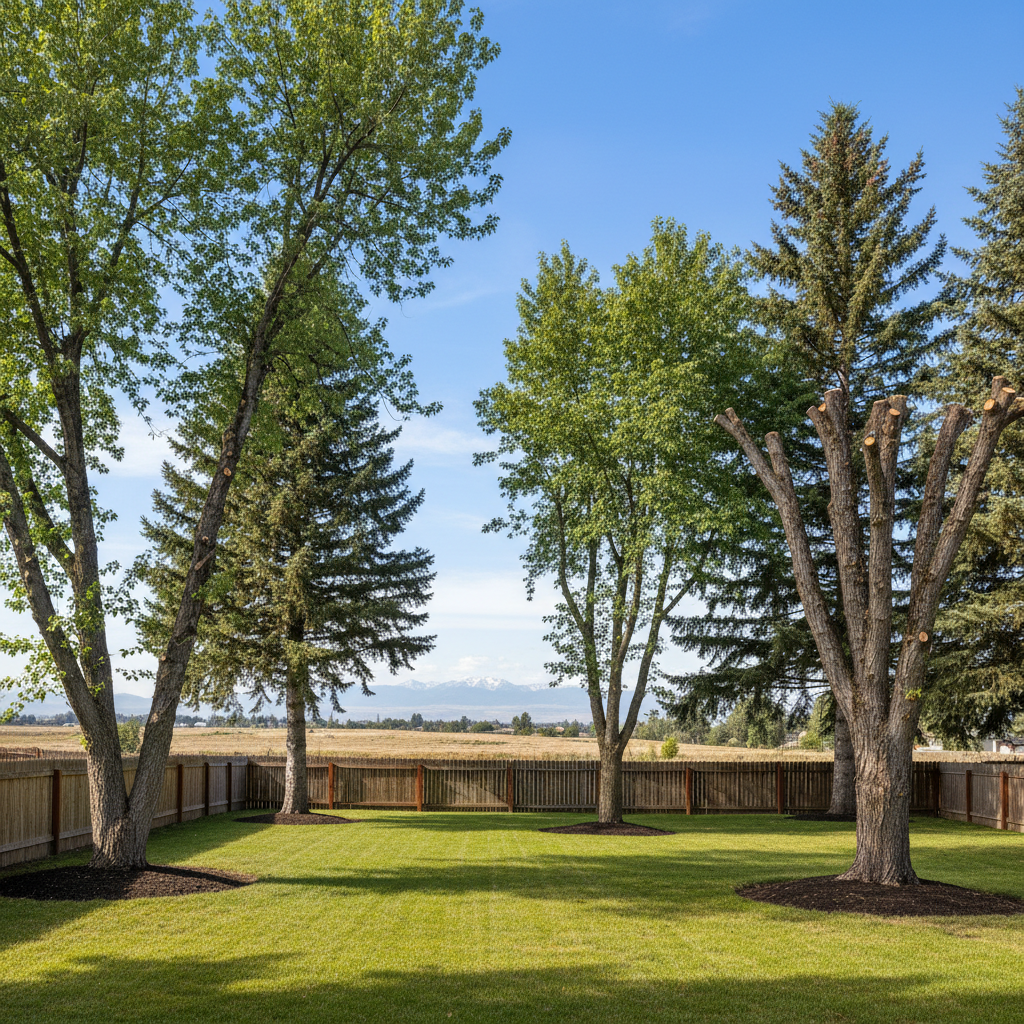
You've paid good money to get your trees trimmed, and that's a smart move for their health and, frankly, for keeping your property safe. But that's not the whole story, is it? Think of it like getting your car serviced; you wouldn't just drive it off the lot and forget about it. Trees need ongoing care, especially with our unique weather patterns right here in Union Gap — from those hot, dry summers to the occasional icy winter.
Make Your Tree Trimming Last Longer
When we trim a tree, we're doing more than just making it look nice; we're setting it up for better health and growth down the road. To make sure that work really pays off, there are a few things you can do. First off, proper watering is absolutely critical. Especially for the first year or two after a big trim, your tree might need a little extra help. Deep, infrequent watering works much better than just sprinkling a little bit on top every day. You want that water to soak all the way down to the roots, not just sit on the surface. This is super important during our long, dry spells in July and August, wouldn't you agree? Don't let your trees get stressed out from not enough water, because that's when they become easy targets for pests and diseases.
Another simple thing is mulching. A good layer of organic mulch around the base of the tree — but not piled right up against the trunk, leave a little breathing room there — helps keep the soil moist, evens out soil temperature, and keeps weeds from popping up. We're talking about 2-4 inches deep, ideally stretching out to the drip line. This is a really easy, effective way to keep the soil healthy, which in turn keeps the tree healthy. Healthy soil means healthy roots, and healthy roots mean a strong, resilient tree that can pretty much shrug off whatever nature throws its way.
What Does Regular Tree Maintenance Actually Look Like?
Regular maintenance isn't about constant trimming. Actually, trimming too much can be worse than not trimming enough. What we're really talking about is just paying attention and fixing small problems before they turn into big headaches. Take a stroll around your property once a month, especially after a storm. Look at your trees like you've never seen them before.
- Check for dead or broken branches: These are just hazards waiting to happen, particularly with the wind we get coming down from the Cascades. They also create openings for disease to get in.
- Look for crossing or rubbing branches: When branches rub together, they create wounds. These wounds can weaken the tree and invite pests right in.
- Inspect for weird growth or discoloration: Sometimes a tree will sprout suckers from its base or water sprouts along the trunk or main branches. These often signal stress or that it wasn't pruned correctly and should be removed. Leaves or bark that look off can point to disease or a pest problem.
- Keep an eye out for pests: Watch for insects themselves or signs they've been active, like chewed leaves or sticky residue. Catching these early can really save your tree.
For younger trees, guiding their growth is key. You're trying to establish a strong central leader and good branch spacing. This means getting rid of competing leaders and branches that are growing at sharp angles. It's kind of like training a puppy; you're teaching it good habits early on.
Warning Signs Your Tree Might Be in Trouble
Your trees will absolutely tell you when something's wrong, you just need to know how to listen. Here are some red flags that should definitely grab your attention:
- Sudden leaf drop or discoloration: If leaves are turning yellow or brown out of season, or falling off too early, that's a big sign of stress.
- Cankers or growths on the trunk or branches: These can be a sign of fungal infections or other diseases.
- Lots of deadwood: If you see a bunch of dead branches, especially up in the canopy, it means the tree isn't doing so hot.
- Cracks or splits in the trunk or major limbs: These are serious structural issues that could lead to the tree falling apart.
- Fungus growing on the trunk or at the base: Mushrooms or conks often mean there's decay happening inside the tree.
- Leaning: If a tree suddenly starts leaning a lot, especially after a storm, its root system might be compromised. This is particularly worrying in areas with heavy clay soil like we sometimes see in Union Gap, where roots might not anchor as deeply.
Seriously, don't ignore these signs. A small problem today can easily become a massive, expensive, or even dangerous problem tomorrow.
When to Call in a Professional
Look, I'm a big believer in homeowners doing what they can. But there are definitely times when you absolutely need to call in the pros. If you're seeing any of those serious warning signs I just mentioned — big cracks, significant leaning, widespread deadwood — please, don't try to fix it yourself. That's when you need someone with the right equipment, training, and insurance to safely assess the situation.
You should also call us at Neighborly Tree if a tree is growing too close to your house, power lines, or other structures. We've got the gear to get into tight spots and remove branches without damaging anything. Any job that involves climbing high into a tree or using a chainsaw above your head is generally best left to the experts. It's just not worth risking an injury or property damage to save a few bucks. We're here to help you keep your trees healthy and your property safe, and sometimes that means stepping in for the tricky stuff.
Keeping an eye on your trees, giving them a little love with water and mulch, and knowing when to call in the cavalry will make sure your trees thrive for years to come. It’s a solid investment in your home and your landscape.